Dental Care During Pregnancy: What Patients Should Know
9
min read
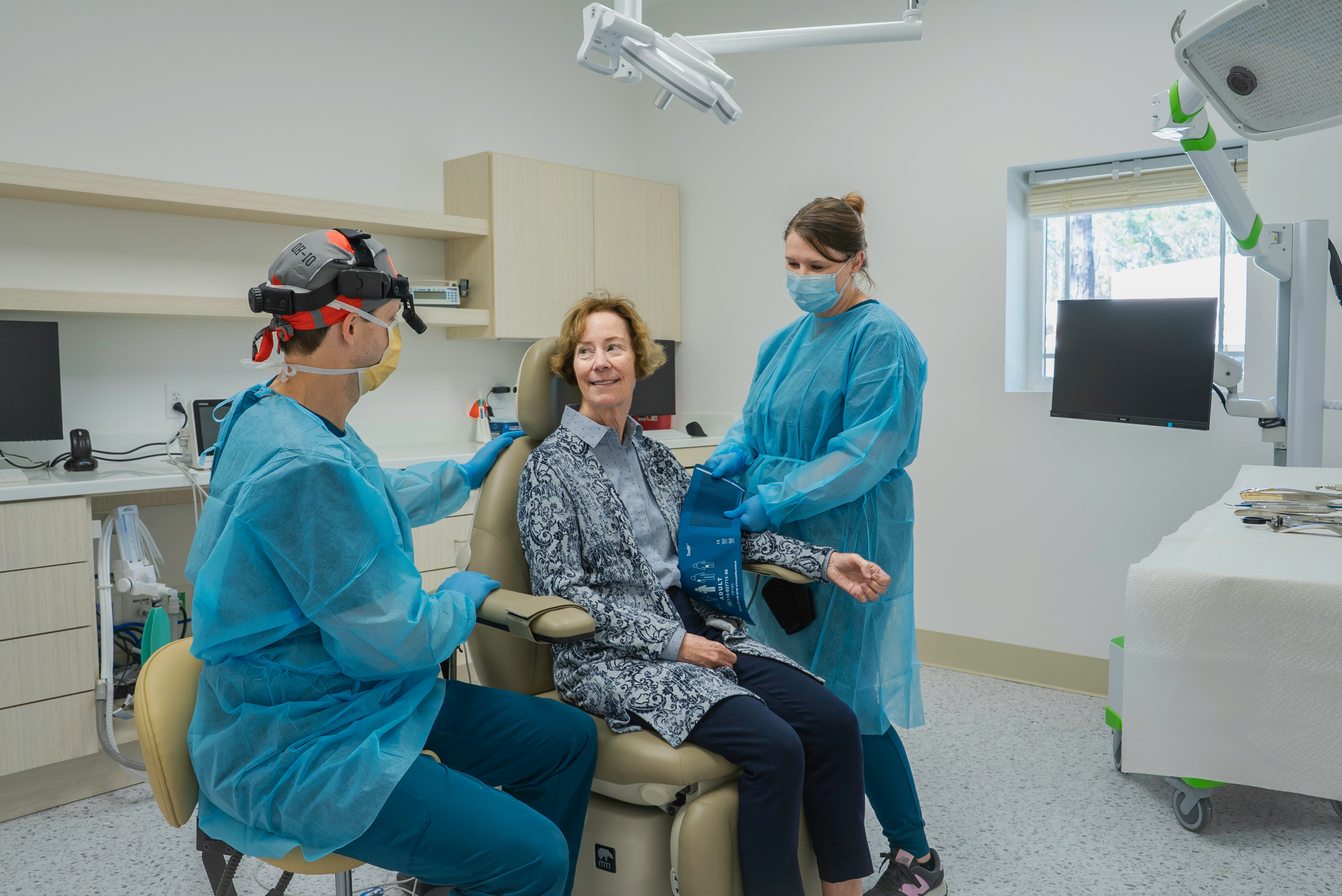
Every smile tells a story — and your oral health plays a central role in how that story unfolds. Whether you’re scheduling your child’s first dental check-up or considering cosmetic treatments to boost confidence, understanding proven dental care practices can transform how you care for your teeth and gums.
This guide covers the most important dental care principles patients should understand today — from preventive routines to treatment insights that help you make smarter decisions about your oral health.
Why Prioritizing Dental Health Matters
Oral health goes beyond teeth and gums. Poor dental habits can contribute to chronic inflammation, infections, and long-term health issues. Consistent, preventive care helps:
Avoid expensive dental procedures
Reduce pain and discomfort
Maintain confidence and quality of life
Preventive care is always easier — and cheaper — than reactive treatment.
Proper Brushing and Flossing
Strong dental health starts with daily habits.
Effective oral hygiene includes:
Brushing twice a day with fluoride toothpaste
Using gentle, circular motions instead of aggressive scrubbing
Spending at least two minutes per session
Flossing daily to remove plaque between teeth
Most dental problems begin with poor technique, not lack of effort.
Routine Dental Checkups Are Non-Negotiable
Skipping dental visits is one of the fastest ways to invite problems.
Regular checkups allow your dentist to:
Detect cavities and gum disease early
Perform professional cleanings
Prevent minor issues from becoming major treatments
For most patients, a visit every six months is ideal.
How Diet Affects Your Teeth and Gums
What you eat directly influences oral health.
Key considerations include:
Sugary foods and drinks feed cavity-causing bacteria
Crunchy fruits and vegetables stimulate saliva production
Dairy products support enamel strength
A balanced diet protects your smile as much as your toothbrush does.
Understanding Teeth Whitening Options
Teeth whitening is one of the most requested cosmetic treatments.
Important things to know:
Professional whitening is safe when supervised by a dentist
Options include in-office treatments and custom take-home trays
Results vary based on tooth structure and lifestyle habits
Consultation matters — not all whitening solutions are equal.
Managing Dental Anxiety
Dental anxiety is common and manageable.
Patients often benefit from:
Open communication with the dental team
Learning what to expect before treatment
Exploring sedation or comfort options
Fear should never be the reason oral health gets neglected.
Dental Care for Children
Healthy habits should start early.
For children, this includes:
Cleaning teeth as soon as they appear
Scheduling the first dental visit by age one
Making oral care routine and stress-free
Early prevention reduces long-term dental complications.
Common Dental Problems Patients Should Know
Some dental issues appear quietly before symptoms worsen.
Common conditions include:
Cavities caused by plaque buildup
Gum disease resulting from inflammation and infection
Tooth sensitivity triggered by enamel erosion
Early diagnosis prevents unnecessary pain and expense.
Fluoride and Enamel Protection
Fluoride plays a critical role in dental health.
It helps:
Strengthen tooth enamel
Reduce the risk of decay
Protect teeth from acid damage
This is why fluoride remains a standard recommendation in modern dentistry.
Lifestyle Habits That Impact Oral Health
Daily choices affect your mouth more than most people realize.
Risk factors include:
Tobacco use increasing gum disease risk
Excess alcohol contributing to dry mouth
Poor sleep affecting healing and immunity
Healthy lifestyles support healthy smiles.
When to Reassess Your Dental Care Plan
As needs change, dental care should adapt.
Patients may benefit from:
Night guards for grinding or jaw tension
Orthodontic treatment for alignment issues
Cosmetic procedures to restore confidence
Dental care isn’t static — it evolves with you.
Final Thoughts
Oral health is a long-term investment. Strong daily habits, informed decisions, and consistent professional care create the foundation for a healthy smile that lasts.
The goal isn’t perfection — it’s prevention, consistency, and clarity.